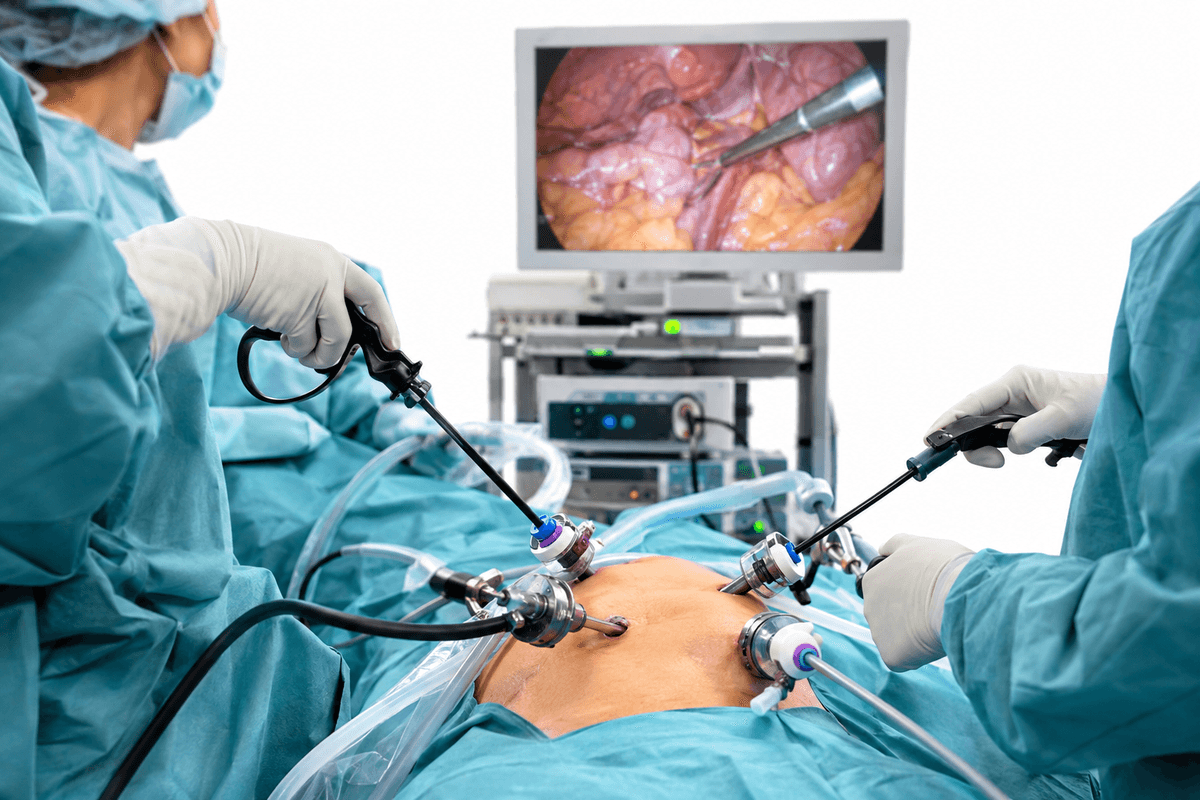
Performed by Dr. Moode Jayanth at Dr Jayanth Moode
Complex abdominal surgeries are major operations performed to treat serious diseases or injuries affecting organs inside the abdomen, including the stomach, intestines, liver, pancreas, and spleen. These procedures may be needed for cancers, severe infections, trauma, bowel obstructions, or organ failure. Dr Jayanth Moode evaluates each case individually to determine the most appropriate surgical approach based on the diagnosis, extent of disease, and overall health of the patient.
We believe in honest, upfront disclosure so you can make an informed decision.
A step-by-step look at what happens during this procedure.
General anaesthesia is given so you are completely asleep and pain-free throughout the operation.
An incision is made in the abdomen, sized appropriately to access the affected organs and tissues.
The surgeon examines the abdominal cavity to confirm the extent of disease and identify all areas requiring treatment.
Diseased tissue is removed, damaged organs are repaired, or reconstruction is performed depending on the findings and planned procedure.
The incision is closed in layers and drains may be placed temporarily to remove fluid from the surgical site.
A structured, patient-first approach from first consultation to full recovery.
Dr Jayanth Moode reviews all imaging, blood tests, and medical history to plan the safest surgical approach and identify any risk factors that need management.
The procedure is customized based on the specific organs involved, extent of disease, and individual anatomy to achieve a good outcome.
Findings during surgery guide adjustments to the plan, ensuring that all necessary treatment is completed while preserving healthy tissue wherever possible.
Close observation in hospital follows surgery, with pain management, nutrition support, and early mobilization to support recovery and detect complications promptly.
What to expect at each stage of your recovery journey.
Pain is managed with medication, drains and tubes are monitored, and gradual return to eating and walking begins under medical supervision. Individual recovery speeds vary based on the extent of surgery and underlying health.
Activity increases slowly with rest periods, diet advances as tolerated, and wound care continues at home. Follow specific instructions from the surgical team as timelines differ between patients.
Strength rebuilds over weeks to months, work and daily activities resume gradually, and long-term follow-up monitors for any complications or changes. Full recovery depends on the complexity of the operation and individual healing.
The surgery aims to remove diseased tissue, repair damage, or restore organ function depending on the condition being treated. Outcomes vary widely based on the diagnosis and stage of disease.
Many patients experience improvement in pain, obstruction, or other symptoms that prompted surgery, though some symptoms may persist or new issues may arise during recovery.
Some conditions require chemotherapy, radiation, or further operations after initial surgery. Not all problems can be completely resolved with one procedure.
Regular follow-up is necessary to watch for recurrence of disease, manage complications, or adjust treatment plans. Outcomes continue to be assessed over months to years.
The right choice depends on your diagnosis, risks and circumstances — discussed with you at your consultation.
For some conditions, keyhole surgery through small incisions may be an option if the disease is limited in extent and anatomy permits. The choice depends on findings during evaluation and surgeon assessment of what is technically feasible.
Non-surgical treatment with medications, drainage procedures, or nutritional support may be considered if surgery risks are too high or if the condition might respond to conservative care. This approach is determined by diagnosis and overall health status.
When curative surgery is not possible or may cause more harm than benefit, treatment focuses on symptom relief and quality of life. This decision involves discussion of goals of care and individual circumstances.
Let's clear up some of the most common myths about complex abdominal surgeries.
Get a personalised assessment from an experienced specialist. Understand your options, ask your questions, and decide with confidence.