Treated by Dr. Moode Jayanth at Dr Jayanth Moode
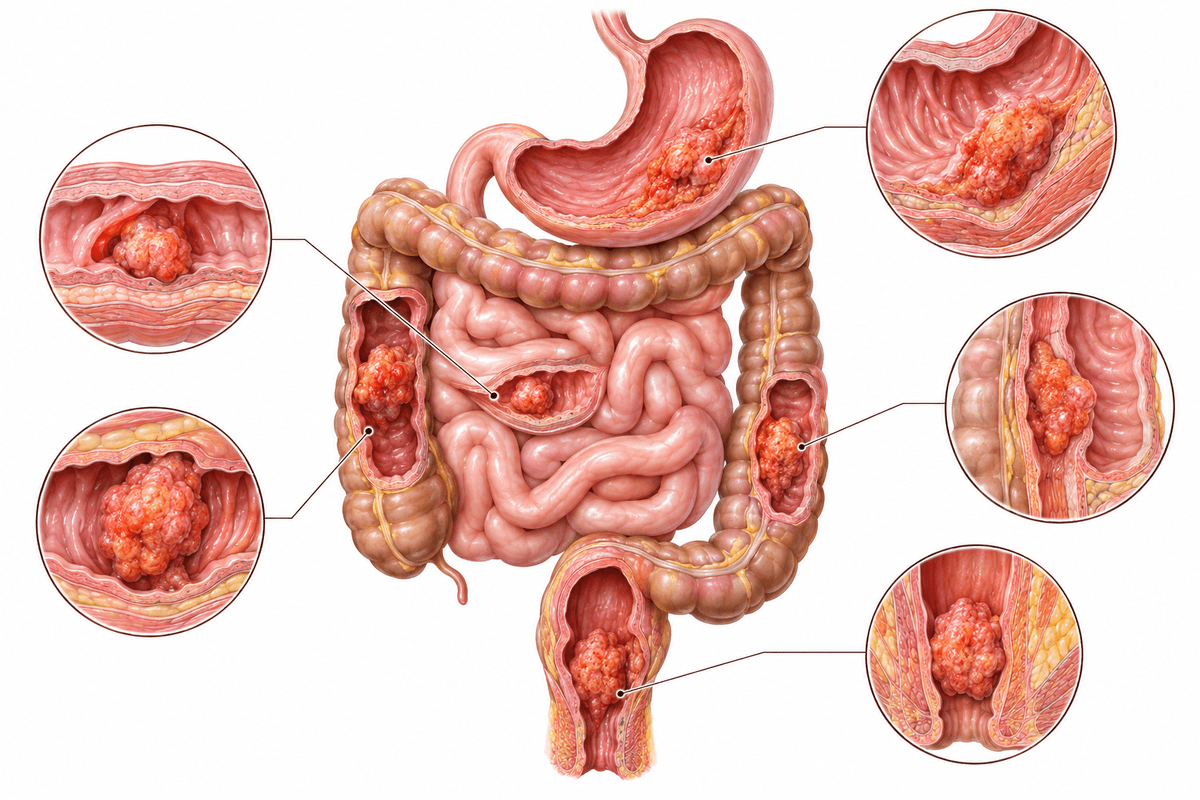
Gastrointestinal cancers in Hyderabad affect the digestive system, including the esophagus, stomach, liver, pancreas, colon, and rectum. These malignancies require prompt diagnosis and specialized surgical intervention for optimal outcomes. Dr Jayanth Moode, an experienced gastrointestinal surgeon, provides comprehensive cancer care with advanced surgical techniques tailored to each patient's specific condition and stage of disease.
Malignancy affecting the colon or rectum, often developing from polyps. This is one of the most common gastrointestinal cancers, with screening programs enabling early detection and improved survival rates when treated promptly.
Stomach cancer that develops in the lining of the stomach, often associated with chronic inflammation and infection. Early stages may be asymptomatic, making screening important for high-risk individuals.
Aggressive malignancy of the pancreas with challenging early detection. Often diagnosed at advanced stages, requiring complex surgical intervention and multimodal treatment approaches for best outcomes.
Multiple factors can contribute to the development and progression of this condition.
Gastrointestinal Cancers develops gradually. Recognising symptoms early gives you more treatment options.
From conservative to surgical — we always start with the least invasive option first.
A structured, patient-first approach from first visit to full recovery.
Dr Jayanth Moode conducts thorough assessment including detailed history, physical examination, endoscopy, advanced imaging with CT/MRI scans, and tumor marker analysis to accurately diagnose and stage the gastrointestinal cancer.
Dr Moode collaborates with medical oncologists, radiation oncologists, radiologists, and pathologists to develop a personalized treatment strategy based on cancer type, stage, location, and patient health status for optimal outcomes.
Dr Jayanth Moode performs precise surgical resection using minimally invasive or open techniques as appropriate, ensuring complete tumor removal with adequate margins while preserving maximum organ function and quality of life.
Dr Moode provides comprehensive follow-up care including wound management, nutritional support, coordination of adjuvant therapy, and regular surveillance imaging and endoscopy to monitor for recurrence and manage long-term health.
What to expect at each phase of recovery.
Hospital stay of 5-14 days depending on procedure complexity. Focus on pain management, early mobilization, gradual diet advancement, and monitoring for complications. Drainage tubes and monitoring continue until stable recovery achieved.
Weeks 2-12 involve nutritional rehabilitation, strength building, and potential chemotherapy or radiation therapy as recommended. Regular follow-up appointments monitor healing, manage treatment side effects, and adjust supportive care as needed.
Ongoing monitoring with clinical examinations, tumor markers, and imaging studies every 3-6 months initially, then annually. Focus on detecting recurrence early, managing nutritional needs, and maintaining quality of life through survivorship.
Complete tumor removal with clear margins achieved in majority of early-stage cases, with 5-year survival rates ranging from 60-90% depending on cancer type and stage at diagnosis.
Successful symptom relief including resolution of pain, bleeding, and obstruction. Patients regain ability to eat normally and maintain nutritional status with appropriate dietary modifications and support.
Comprehensive surgical resection combined with appropriate adjuvant therapy significantly reduces cancer recurrence rates. Regular surveillance enables early detection and intervention if needed.
Careful surgical reconstruction preserves or restores gastrointestinal function, allowing patients to maintain adequate nutrition and normal bowel habits with minimal long-term dietary restrictions.
Untreated gastrointestinal cancers progress relentlessly, causing severe complications including intestinal obstruction, uncontrolled bleeding, malnutrition, and metastatic spread to liver, lungs, and other organs. Without intervention, advanced disease leads to profound suffering, organ failure, and significantly reduced life expectancy. Early detection and treatment are critical for survival and maintaining quality of life.
Seek immediate consultation with Dr Jayanth Moode if you experience persistent abdominal pain, blood in stools, unexplained weight loss, difficulty swallowing, persistent vomiting, or changes in bowel habits lasting more than two weeks. Individuals with family history of gastrointestinal cancers, inflammatory bowel disease, or those over 45 years should undergo screening evaluations. Early diagnosis dramatically improves treatment success and survival outcomes.
Early treatment means more options and better outcomes. Book a consultation to understand your condition and explore the right path forward.