Performed by Dr. Moode Jayanth at Dr Jayanth Moode
Splenectomy in Hyderabad is a surgical procedure to remove the spleen, performed when the organ is damaged, diseased, or causing blood-related disorders. This surgery may be necessary for conditions like trauma, blood disorders, infections, or tumors affecting the spleen. Dr Jayanth Moode, a skilled gastrointestinal surgeon, offers expert splenectomy procedures using advanced surgical techniques to ensure optimal patient outcomes and faster recovery.
We believe in honest, upfront disclosure so you can make an informed decision.
A step-by-step look at what happens during this procedure.
Comprehensive evaluation including blood tests, imaging studies like CT or ultrasound, and assessment of underlying conditions. Vaccination protocol is initiated to protect against post-splenectomy infections.
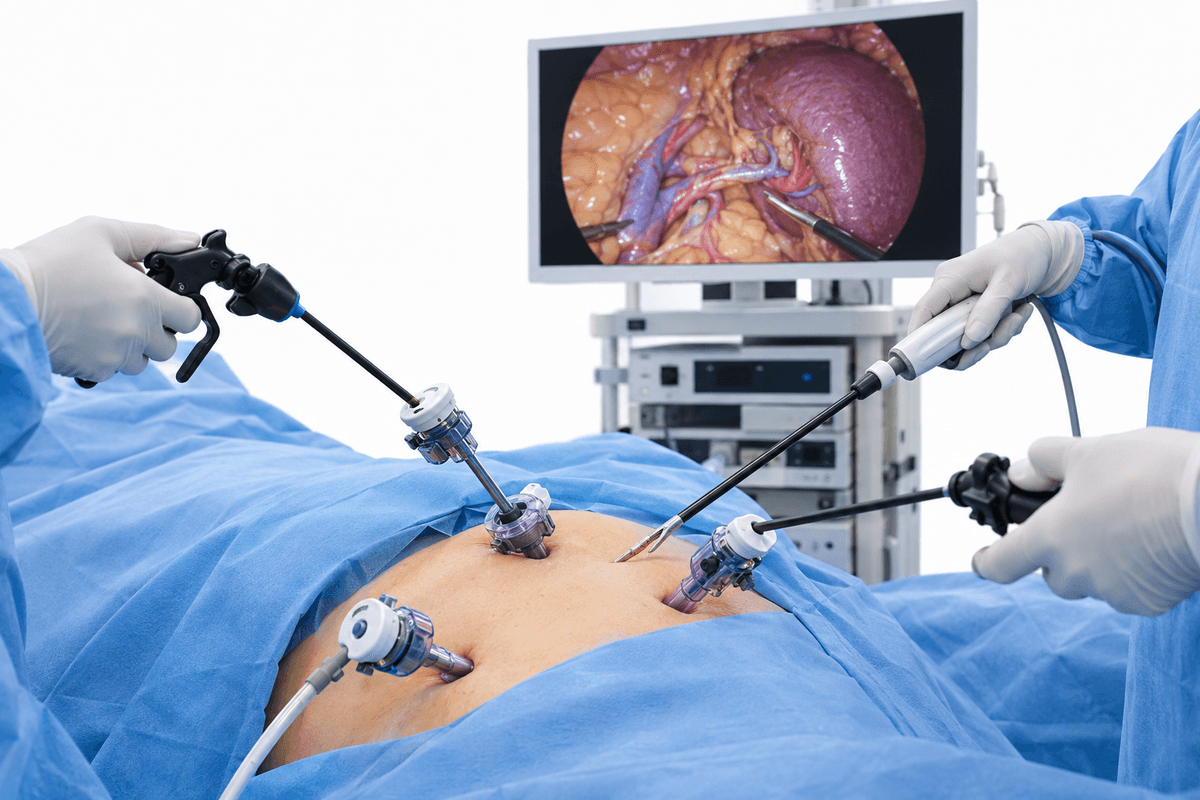
The surgeon determines whether laparoscopic (minimally invasive) or open splenectomy is appropriate based on spleen size, condition, and patient factors. Laparoscopic approach involves small incisions while open surgery requires a larger abdominal incision.
Under general anesthesia, the surgeon carefully disconnects the blood vessels supplying the spleen and removes the organ. In laparoscopic surgery, the spleen is placed in a bag and removed through a small incision. Nearby structures are examined for accessory spleens.
After ensuring no bleeding, surgical incisions are closed with sutures or staples. A drainage tube may be placed temporarily to prevent fluid accumulation in the surgical area.
Patient is monitored in recovery for vital signs, pain management, and early detection of complications. Blood counts are checked regularly and antibiotic prophylaxis is initiated to prevent infections.
A structured, patient-first approach from first consultation to full recovery.
Dr Jayanth Moode conducts thorough preoperative assessment including detailed imaging and blood work to determine the most appropriate surgical approach for each patient's unique condition and anatomy.
Utilizing state-of-the-art laparoscopic equipment when appropriate, Dr Moode performs minimally invasive splenectomy to reduce scarring, pain, and recovery time while maintaining surgical precision and safety.
Implementation of comprehensive vaccination strategy before surgery and antibiotic prophylaxis protocols to minimize the risk of overwhelming post-splenectomy infection (OPSI), ensuring long-term patient safety.
Dr Moode provides individualized postoperative care plans with close monitoring, pain management, and detailed guidance on lifestyle modifications and infection prevention strategies for optimal long-term outcomes.
What to expect at each stage of your recovery journey.
Hospital stay with monitoring of vital signs, pain management with medications, gradual mobilization, and introduction of liquid diet progressing to solids. Drainage tubes removed when output decreases. Focus on preventing complications like bleeding and infection.
Patient returns home with activity restrictions, avoiding heavy lifting and strenuous exercise. Pain management continues with oral medications. Follow-up appointments to monitor wound healing and blood counts. Light walking encouraged to prevent blood clots.
Gradual return to normal activities including work and exercise as tolerated. Complete wound healing achieved. Long-term infection prevention education including prompt medical attention for fevers and maintenance of vaccination schedule. Regular follow-up to monitor overall health.
Patients with ITP, hereditary spherocytosis, or other blood conditions typically experience significant improvement in platelet counts and reduction in hemolysis, often eliminating the need for ongoing blood transfusions or medications.
Relief from symptoms such as abdominal pain, early satiety from enlarged spleen, and fatigue associated with hypersplenism, allowing patients to return to normal daily activities and improved overall wellbeing.
For patients with splenic tumors, trauma, or life-threatening splenic conditions, splenectomy can be life-saving with excellent long-term survival rates when combined with appropriate postoperative care and infection prevention measures.
When performed laparoscopically, patients benefit from smaller incisions resulting in less postoperative pain, faster recovery, reduced hospital stay, and better cosmetic outcomes compared to traditional open surgery.
Let's clear up some of the most common myths about splenectomy.
Get a personalised assessment from an experienced specialist. Understand your options, ask your questions, and decide with confidence.