Treated by Dr. Moode Jayanth at Dr Jayanth Moode
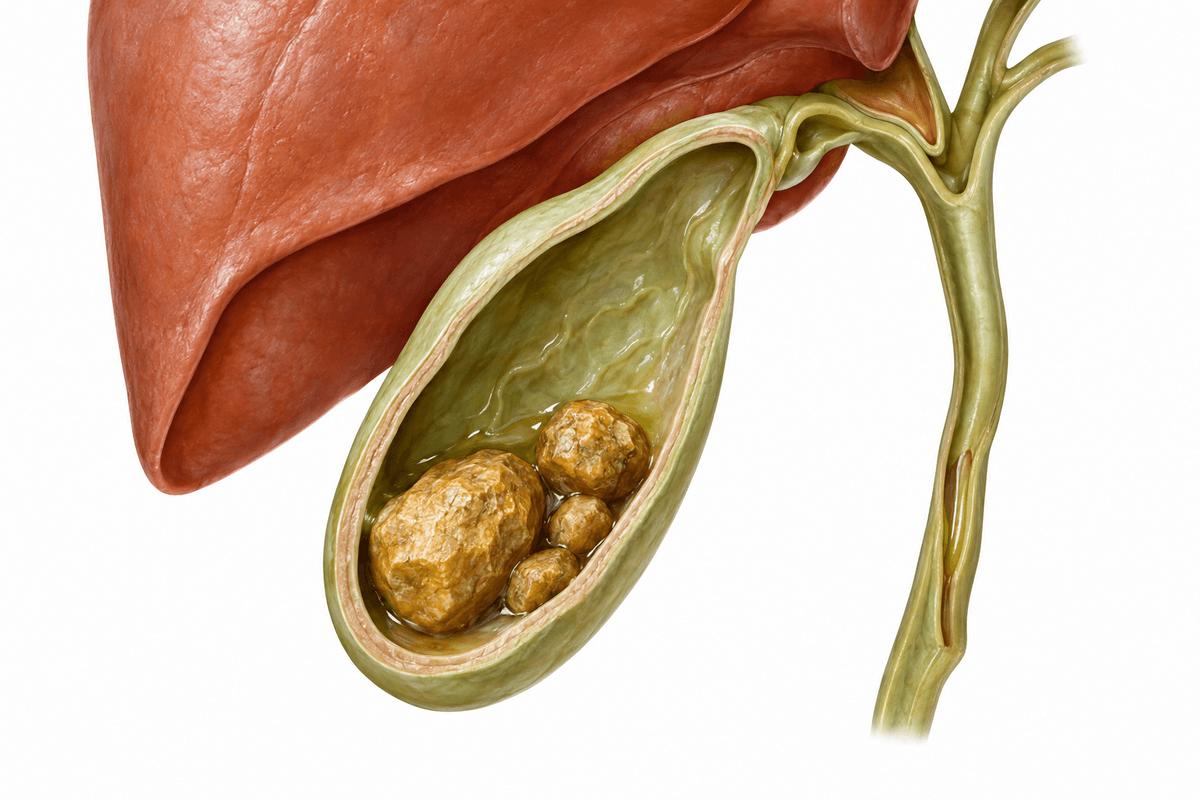
Gallstones are hardened deposits of digestive fluid that form in the gallbladder, a common condition affecting many patients in Hyderabad. These stones can range from tiny grains to golf ball-sized masses, causing severe pain and complications when they block bile ducts. Dr Jayanth Moode, a skilled gastrointestinal surgeon, provides comprehensive evaluation and advanced surgical treatment for gallstone disease, ensuring optimal patient outcomes through minimally invasive techniques.
The most common type, accounting for 80% of cases, formed when bile contains excessive cholesterol that crystallizes into yellow-green stones. These develop when the liver produces more cholesterol than bile can dissolve, leading to precipitation and stone formation over time.
Dark brown or black stones composed of bilirubin, forming when bile contains excess bilirubin due to conditions like cirrhosis, biliary tract infections, or hereditary blood disorders. These stones are smaller but often more numerous than cholesterol stones.
Stones containing a combination of cholesterol, calcium salts, and bilirubin, representing about 10-20% of cases. These stones have varied composition and can develop due to multiple factors including inflammation, infection, and metabolic disturbances in bile chemistry.
Multiple factors can contribute to the development and progression of this condition.
Gall stones develops gradually. Recognising symptoms early gives you more treatment options.
From conservative to surgical — we always start with the least invasive option first.
A structured, patient-first approach from first visit to full recovery.
Dr Jayanth Moode begins with detailed history taking and physical examination, followed by abdominal ultrasound to confirm gallstone presence, size, and location. Blood tests assess liver function, bilirubin levels, and signs of infection. Additional imaging like MRCP or CT scan may be ordered for complex cases to evaluate bile duct involvement.
Based on diagnostic findings, symptom severity, and patient health status, Dr Moode discusses all treatment options with patients and families. He evaluates surgical candidacy, explains the laparoscopic approach benefits, and addresses concerns about the procedure, recovery timeline, and lifestyle adjustments post-surgery.
Dr Jayanth Moode performs laparoscopic cholecystectomy using state-of-the-art equipment and refined techniques honed through extensive experience. He ensures meticulous dissection of the gallbladder, careful identification of critical structures, and thorough inspection for bile duct stones. The procedure is completed with minimal tissue trauma and optimal hemostasis.
After surgery, Dr Moode provides comprehensive post-operative instructions including wound care, diet progression, and activity guidelines. Patients receive scheduled follow-up appointments to monitor healing, address concerns, and ensure complete recovery. Long-term guidance on diet and lifestyle helps patients adapt to life without a gallbladder.
What to expect at each phase of recovery.
Patients typically experience mild incisional discomfort managed with oral pain medications. Clear liquids are started within hours of surgery, progressing to low-fat soft foods. Most patients are discharged within 24-48 hours with instructions for wound care and gradual activity resumption. Light walking is encouraged to prevent complications.
Incisional pain continues to decrease, and patients gradually return to normal diet while avoiding very fatty foods initially. Most individuals resume light daily activities and non-strenuous work. Surgical sites heal well with minimal scarring. Patients are advised to avoid heavy lifting and strenuous exercise during this period.
Full recovery is achieved with complete return to all normal activities including exercise and work. Incisions are fully healed with minimal visible scarring. Digestive system adapts to absence of gallbladder, with bile flowing continuously into the intestine. Most patients experience complete symptom resolution and improved quality of life.
Over 95% of patients experience complete relief from gallstone-related pain, nausea, and digestive discomfort following surgical removal. The elimination of gallstones prevents recurrent biliary colic and emergency complications, significantly improving quality of life and allowing return to normal dietary habits.
Laparoscopic cholecystectomy results in four small scars that fade significantly over time, providing excellent cosmetic outcomes compared to traditional open surgery. The minimally invasive approach preserves abdominal wall integrity and reduces risk of incisional hernias.
Most patients return to work and regular activities within 1-2 weeks following laparoscopic surgery, with full physical activity resumed by 4-6 weeks. The quick recovery timeline minimizes disruption to professional and personal life, allowing patients to resume their routine much faster than with open surgery.
Surgical treatment eliminates the risk of life-threatening complications such as acute cholecystitis, gallbladder perforation, pancreatitis, and ascending cholangitis. Patients avoid emergency situations and the need for more complex interventions that would be required if gallstones were left untreated.
Untreated gallstones can lead to serious complications including acute cholecystitis (severe gallbladder inflammation requiring emergency surgery), gallstone pancreatitis (potentially life-threatening pancreatic inflammation), bile duct obstruction causing jaundice and liver damage, and gallbladder perforation with peritonitis. Chronic inflammation from gallstones increases the risk of gallbladder cancer, though this is rare. Patients may experience recurrent episodes of severe pain, frequent emergency visits, and progressive deterioration in quality of life.
Seek immediate medical attention if you experience sudden intense abdominal pain lasting more than a few hours, especially in the upper right abdomen or between shoulder blades, accompanied by fever, chills, yellowing of skin or eyes (jaundice), or persistent vomiting. Schedule an appointment with Dr Jayanth Moode if you have recurrent episodes of abdominal discomfort after meals, unexplained digestive issues, or family history of gallstones. Early evaluation and treatment prevent emergency complications and allow for planned surgical intervention with better outcomes.
Early treatment means more options and better outcomes. Book a consultation to understand your condition and explore the right path forward.