Performed by Dr. Moode Jayanth at Dr Jayanth Moode
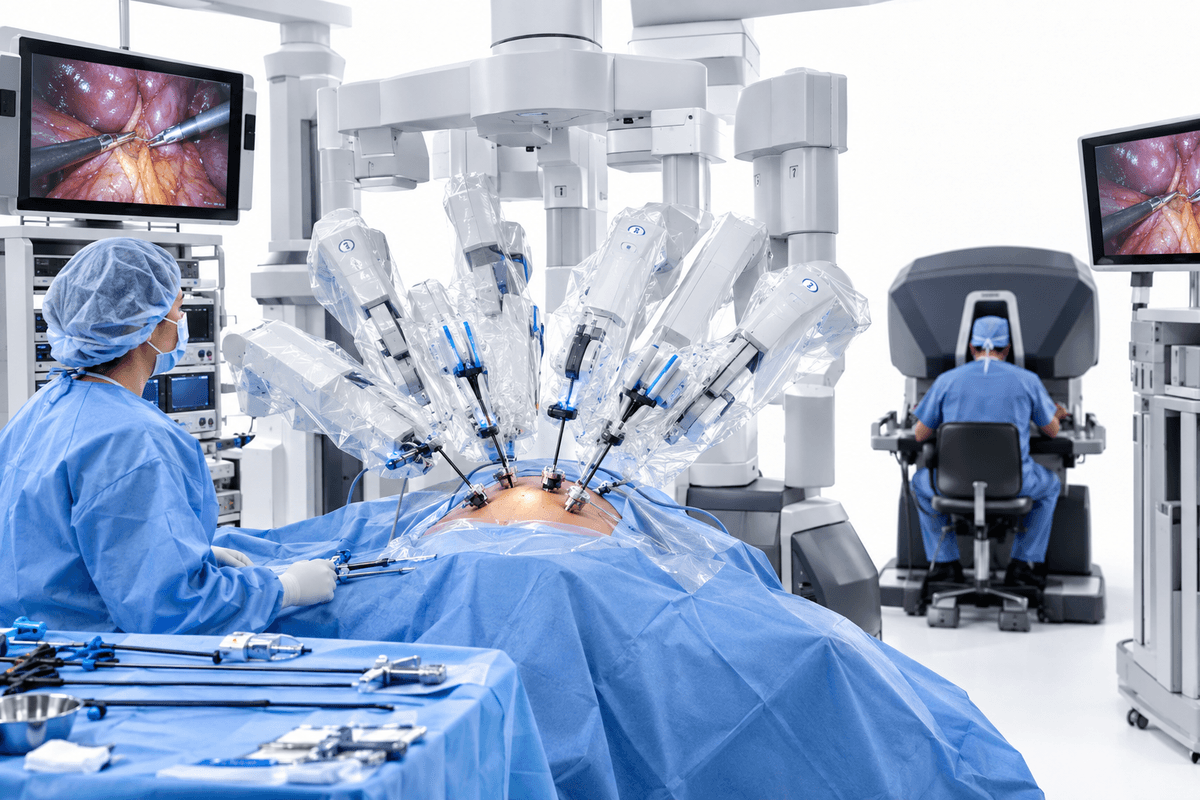
Robotic surgeries in Hyderabad represent the cutting edge of minimally invasive gastrointestinal procedures, utilizing advanced robotic systems that provide surgeons with enhanced precision, dexterity, and visualization. This technology allows for complex surgical interventions through smaller incisions, resulting in less pain, minimal scarring, and quicker recovery times compared to traditional open surgery. Dr Jayanth Moode brings extensive expertise in robotic gastrointestinal surgery, ensuring optimal outcomes for patients requiring advanced surgical care.
We believe in honest, upfront disclosure so you can make an informed decision.
A step-by-step look at what happens during this procedure.
The patient is placed under general anaesthesia to ensure complete comfort and immobility during the procedure.
Several small incisions are made in the abdomen through which robotic instruments and a high-definition camera are inserted.
The robotic surgical system is positioned and connected to the instruments, allowing the surgeon to control the robotic arms from a specialized console.
The surgeon performs the gastrointestinal procedure using the robotic instruments with enhanced 3D visualization, precision movements, and greater range of motion than traditional laparoscopy.
After completing the procedure, instruments are removed, incisions are closed with sutures, and the patient is transferred to recovery for monitoring.
A structured, patient-first approach from first consultation to full recovery.
Dr Jayanth Moode conducts thorough evaluations including detailed imaging and diagnostic tests to plan the optimal surgical approach tailored to each patient's specific gastrointestinal condition.
Utilizing state-of-the-art robotic surgical systems, Dr Moode performs complex gastrointestinal procedures with enhanced precision, minimizing tissue trauma and preserving healthy structures.
Throughout the surgery, Dr Moode leverages the robotic system's superior visualization and articulation to ensure meticulous dissection, precise suturing, and optimal anatomical reconstruction.
Following surgery, Dr Moode provides individualized recovery protocols with regular monitoring, pain management strategies, and nutritional guidance to facilitate rapid healing and return to normal activities.
What to expect at each stage of your recovery journey.
The first 24-48 hours involve monitoring in the hospital, pain management, and gradual mobilization. Patients typically experience minimal discomfort due to small incisions and begin consuming clear liquids as tolerated.
During weeks 1-2, patients transition to normal diet, gradually increase activity levels, and focus on wound care. Most individuals return to light daily activities while avoiding strenuous exercise and heavy lifting.
By weeks 3-4, patients typically resume normal activities including work and exercise. Incisions heal completely with minimal scarring, and gastrointestinal function returns to normal with excellent long-term outcomes.
Robotic surgery requires only small incisions, resulting in significantly less visible scarring compared to traditional open surgery, with better cosmetic results and reduced wound complications.
Patients experience quicker return to normal activities, reduced hospital stays, and shorter overall recovery periods due to the minimally invasive nature of robotic procedures.
The precision of robotic surgery leads to less tissue trauma, lower post-operative pain levels, decreased blood loss, and reduced risk of infection and other complications.
Enhanced visualization and precision allow for more accurate tumor removal, better preservation of healthy tissue, and improved functional outcomes in complex gastrointestinal procedures.
Let's clear up some of the most common myths about robotic surgeries.
Get a personalised assessment from an experienced specialist. Understand your options, ask your questions, and decide with confidence.