Treated by Dr. Moode Jayanth at Dr Jayanth Moode
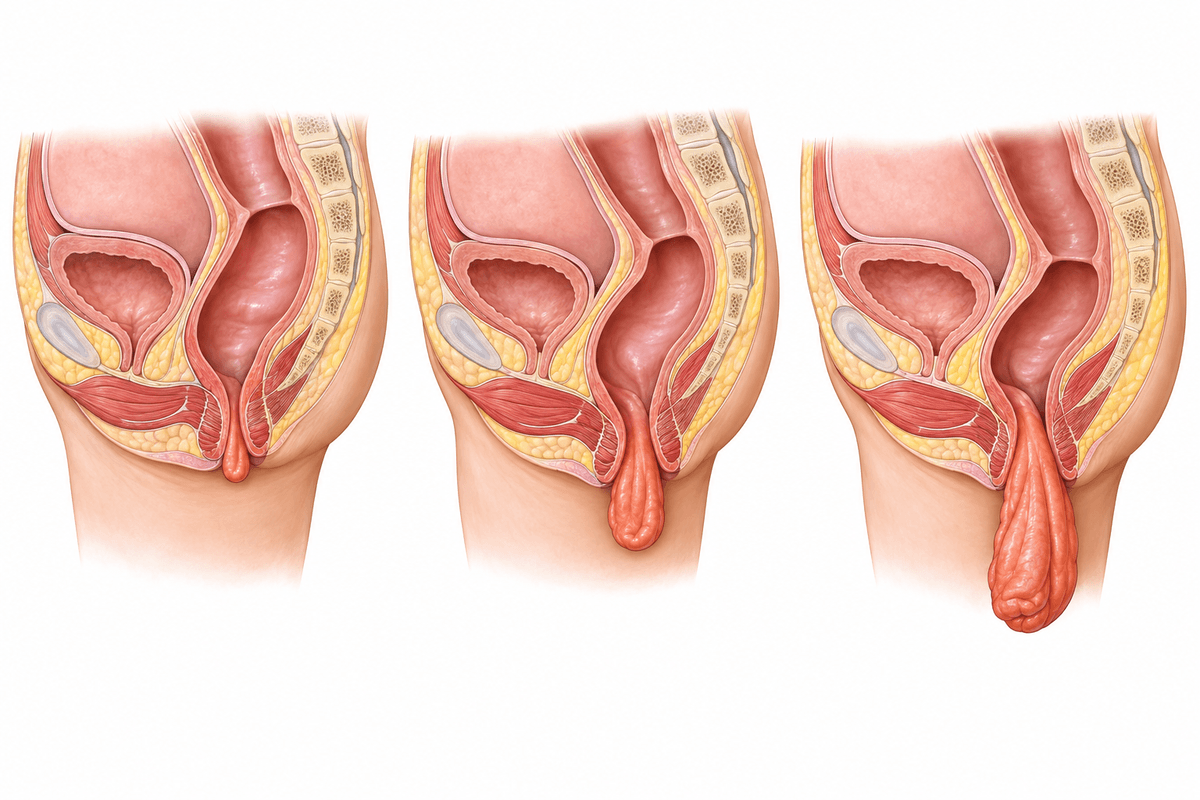
Rectal prolapse is a condition where the rectum slips out of its normal position and protrudes through the anus, commonly affecting older adults and those with chronic straining in Hyderabad. This distressing condition can significantly impact quality of life and requires specialized surgical expertise. Dr Jayanth Moode provides comprehensive evaluation and advanced surgical treatment for rectal prolapse at his gastrointestinal surgery practice.
Only the mucosal lining of the rectum protrudes through the anus, also called mucosal prolapse. This is typically less severe and may occur during bowel movements, then retract spontaneously.
The full thickness of the rectal wall protrudes through the anus, involving all layers of the rectum. This represents a more advanced condition requiring surgical intervention and may not retract on its own.
The rectum begins to prolapse but does not protrude outside the body, remaining within the anal canal. Also called internal intussusception, this can cause obstructed defecation and may progress to external prolapse.
Multiple factors can contribute to the development and progression of this condition.
Rectal Prolapse develops gradually. Recognising symptoms early gives you more treatment options.
From conservative to surgical — we always start with the least invasive option first.
A structured, patient-first approach from first visit to full recovery.
Dr Jayanth Moode conducts a thorough physical examination including digital rectal examination and assessment of pelvic floor function, along with detailed medical history to understand the severity and impact of the prolapse on your daily life.
Specialized investigations including defecography, anorectal manometry, and colonoscopy are performed to assess the full extent of prolapse, rule out associated conditions, and evaluate sphincter function to plan the most appropriate treatment approach.
Based on diagnostic findings, age, overall health status, and patient preferences, Dr Jayanth Moode develops an individualized treatment plan, explaining all options from conservative management to advanced surgical techniques with realistic outcome expectations.
For cases requiring surgery, Dr Jayanth Moode performs the chosen procedure with meticulous technique, utilizing minimally invasive laparoscopic approaches when appropriate to ensure optimal anatomical restoration, minimal complications, and the best possible functional outcomes.
What to expect at each phase of recovery.
Hospital stay of 2-5 days depending on the procedure performed, with pain management, early mobilization, and gradual resumption of oral intake. Catheter and drainage tubes are typically removed within 24-48 hours.
First 2-4 weeks involve limiting heavy lifting and strenuous activities while focusing on proper bowel habits with stool softeners. Most patients can return to light activities and desk work within 2-3 weeks with proper wound care and follow-up visits.
Complete healing occurs over 6-12 weeks with gradual return to all normal activities including exercise. Long-term success involves maintaining healthy bowel habits, managing constipation, and attending regular follow-up appointments to monitor for recurrence.
Laparoscopic rectopexy achieves 80-90% success rates with significant improvement in symptoms and quality of life. Most patients experience complete resolution of prolapse with proper surgical technique.
Significant improvement in fecal continence is achieved in 60-80% of patients following surgical repair. Sphincter function and bowel control typically improve substantially after anatomical restoration.
Patients report marked improvement in daily activities, social confidence, and psychological well-being after successful treatment. Freedom from prolapse allows return to normal lifestyle without embarrassment or limitations.
Recurrence rates are minimized to less than 5-10% when performed by experienced surgeons like Dr Jayanth Moode using appropriate surgical techniques. Long-term outcomes are excellent with proper patient selection and technique.
Untreated rectal prolapse progressively worsens over time, leading to permanent damage to the anal sphincter muscles and irreversible fecal incontinence. The prolapsed tissue can become ulcerated, bleed, and develop strangulation, which is a surgical emergency. Chronic prolapse significantly impacts quality of life, causing social isolation, psychological distress, and inability to perform daily activities.
You should seek medical attention if you notice any tissue protruding from the anus, especially during bowel movements, or experience new onset fecal incontinence or mucus discharge. Early consultation with Dr Jayanth Moode is important if you have persistent sensation of incomplete evacuation or notice increasing difficulty with bowel control. Immediate medical care is required if the prolapsed tissue becomes painful, darkened in color, or cannot be manually reduced, as this may indicate strangulation.
Early treatment means more options and better outcomes. Book a consultation to understand your condition and explore the right path forward.