Treated by Dr. Moode Jayanth at Dr Jayanth Moode
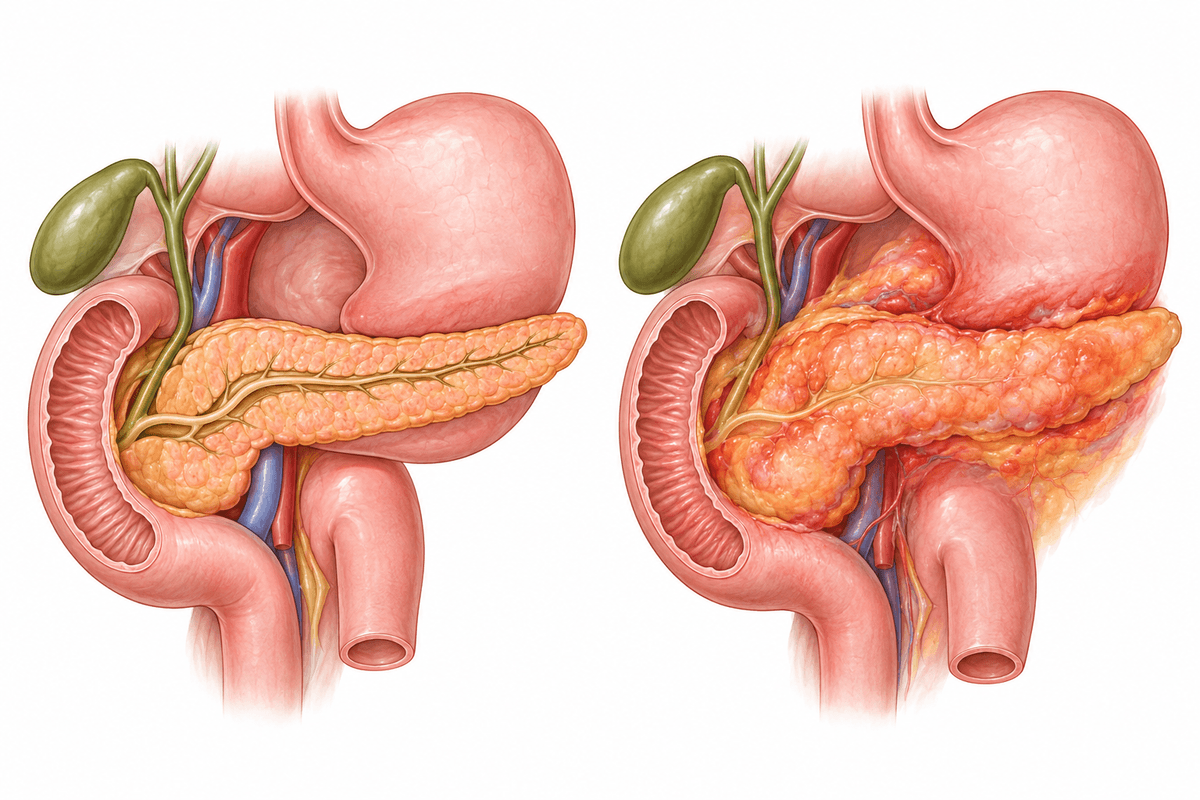
Pancreatitis in Hyderabad affects thousands annually, characterized by inflammation of the pancreas that can manifest as sudden acute episodes or persistent chronic disease. This serious digestive condition disrupts pancreatic enzyme production and can lead to severe complications if left untreated. Dr Jayanth Moode, an experienced Gastrointestinal Surgeon, provides comprehensive evaluation and advanced treatment for both acute and chronic pancreatitis at his specialized practice in Hyderabad.
Sudden inflammation of the pancreas that develops rapidly, typically lasting days to weeks. Can range from mild self-limiting disease to severe necrotizing pancreatitis with multi-organ failure. Most patients recover completely with appropriate medical management, though severe cases may require intensive care and surgical intervention.
Progressive, irreversible inflammation causing permanent structural damage to the pancreas over months to years. Leads to loss of exocrine and endocrine function, resulting in malabsorption and diabetes. Characterized by recurrent abdominal pain, calcifications, and fibrosis that gradually destroys pancreatic tissue.
Acute inflammatory episodes occurring in patients with underlying chronic pancreatic damage. Represents exacerbations of chronic disease with sudden worsening of symptoms. More complex to manage due to pre-existing structural changes and may require both medical stabilization and long-term disease management strategies.
Multiple factors can contribute to the development and progression of this condition.
Pancreatitis: Acute - Chronic develops gradually. Recognising symptoms early gives you more treatment options.
From conservative to surgical — we always start with the least invasive option first.
A structured, patient-first approach from first visit to full recovery.
Dr Jayanth Moode conducts thorough assessment including detailed history, physical examination, serum amylase and lipase testing, CT scan with pancreatic protocol, and MRCP when indicated. Severity scoring systems are applied to stratify risk and determine appropriate level of care and intervention strategy.
Based on etiology, severity, and patient factors, Dr Moode develops a personalized management plan. This includes determining need for ICU care, selecting optimal timing for interventions, coordinating multidisciplinary care with gastroenterologists and interventional radiologists, and addressing underlying causes to prevent recurrence.
When surgical treatment is required, Dr Jayanth Moode employs the latest techniques including laparoscopic approaches for minimally invasive care. He performs complex pancreatic procedures with expertise in managing necrotizing pancreatitis, chronic pancreatic disease, and associated complications while prioritizing organ preservation whenever possible.
Dr Moode ensures comprehensive post-treatment care including monitoring for endocrine and exocrine insufficiency, managing diabetes and malabsorption, lifestyle counseling for alcohol cessation and dietary modification, and regular surveillance imaging. He provides ongoing support to optimize quality of life and prevent disease progression.
What to expect at each phase of recovery.
Initial 3-7 days focus on fluid resuscitation, pain control, and monitoring for complications. Patients transition from bowel rest to gradual oral feeding as inflammation subsides. Close monitoring of organ function and inflammatory markers guides progression of care and identifies early complications.
Weeks 2-6 involve nutritional rehabilitation with enzyme supplementation, gradual increase in activity, and management of persistent symptoms. Patients learn dietary modifications, receive education on enzyme replacement, and undergo evaluation for underlying causes requiring definitive treatment such as cholecystectomy.
Ongoing care focuses on preventing recurrence through lifestyle modifications, addressing metabolic factors, and monitoring pancreatic function. Chronic pancreatitis patients require lifelong enzyme therapy, diabetes management, and surveillance for complications including pseudocysts, strictures, and in rare cases, pancreatic cancer.
Most patients with mild to moderate acute pancreatitis achieve full recovery with appropriate medical management. Pancreatic function returns to normal, and with treatment of underlying causes like gallstones, recurrence risk is minimized. Return to normal activities typically occurs within 4-6 weeks.
Surgical drainage procedures and pancreatic resections provide significant pain relief in 70-80% of carefully selected chronic pancreatitis patients. Quality of life improves substantially with reduction in narcotic requirements and hospital admissions. Functional outcomes are optimized through preservation of maximal pancreatic tissue.
Definitive management of underlying causes such as cholecystectomy for gallstone disease or alcohol cessation dramatically reduces recurrence rates. Long-term adherence to lifestyle modifications and medical therapy prevents progression from acute to chronic disease in most patients.
With appropriate enzyme replacement and insulin therapy, patients with advanced chronic pancreatitis maintain adequate nutrition and glycemic control. Multidisciplinary management optimizes quality of life despite permanent loss of pancreatic function. Regular monitoring allows early intervention for complications.
Untreated pancreatitis can progress to life-threatening complications including infected pancreatic necrosis, multi-organ failure, and death in acute cases. Chronic pancreatitis leads to irreversible pancreatic damage with severe malnutrition, brittle diabetes, and debilitating chronic pain. Complications such as pseudocysts, biliary obstruction, splenic vein thrombosis, and increased risk of pancreatic cancer significantly impact survival and quality of life.
Seek immediate medical attention for severe upper abdominal pain, especially if radiating to the back and accompanied by persistent vomiting or fever. Patients with known gallstones, history of heavy alcohol use, or prior pancreatitis episodes should consult Dr Jayanth Moode promptly when experiencing new digestive symptoms. Early evaluation and treatment significantly improve outcomes and reduce risk of serious complications.
Early treatment means more options and better outcomes. Book a consultation to understand your condition and explore the right path forward.