Treated by Dr. Moode Jayanth at Dr Jayanth Moode
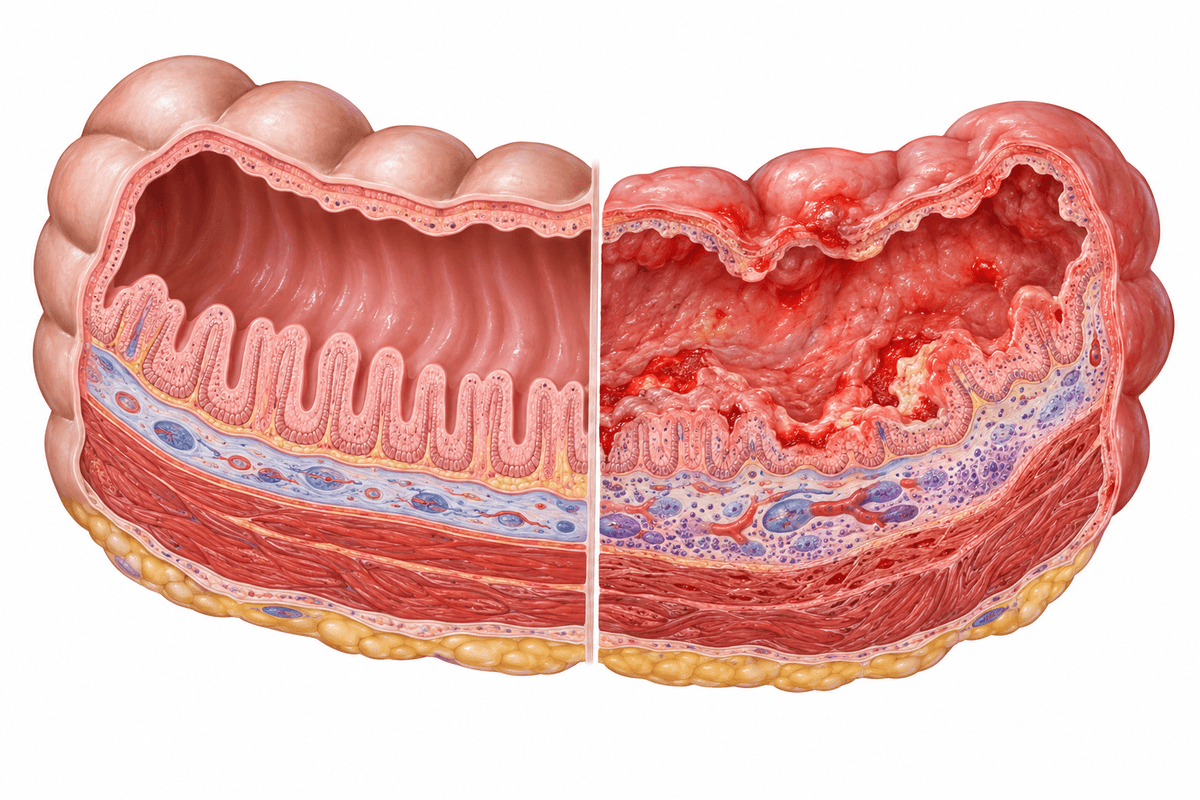
IBS (Irritable Bowel Syndrome) and IBD (Inflammatory Bowel Disease) are distinct digestive conditions affecting millions in Hyderabad and worldwide. While IBS is a functional disorder characterized by abdominal discomfort without structural damage, IBD encompasses inflammatory conditions like Crohn's disease and ulcerative colitis that cause intestinal inflammation. Dr Jayanth Moode provides comprehensive evaluation and tailored treatment protocols for both conditions at his specialized gastrointestinal practice.
A functional gastrointestinal disorder characterized by chronic abdominal pain, bloating, and altered bowel habits without visible inflammation or structural abnormalities. Symptoms vary from constipation-predominant to diarrhea-predominant or mixed patterns.
A chronic inflammatory bowel disease that can affect any part of the gastrointestinal tract from mouth to anus, characterized by transmural inflammation, skip lesions, and potential complications including strictures, fistulas, and abscesses requiring surgical intervention.
An inflammatory bowel disease limited to the colon and rectum, featuring continuous mucosal inflammation starting from the rectum and extending proximally. It presents with bloody diarrhea, urgency, and increased risk of colorectal cancer with long-standing disease.
Multiple factors can contribute to the development and progression of this condition.
IBS & IBD develops gradually. Recognising symptoms early gives you more treatment options.
From conservative to surgical — we always start with the least invasive option first.
A structured, patient-first approach from first visit to full recovery.
Dr Jayanth Moode conducts detailed clinical history assessment, physical examination, and orders appropriate investigations including colonoscopy with biopsy, imaging studies, and laboratory tests to definitively differentiate between IBS and IBD while assessing disease extent and severity.
Based on diagnostic findings, disease classification, and individual patient factors, Dr Moode develops a customized treatment strategy incorporating medical management, dietary modifications, and lifestyle interventions with clear goals for symptom control and disease remission.
Implementation of appropriate medical therapies with regular monitoring and adjustment based on clinical response. When medical management proves insufficient or complications arise, Dr Moode employs minimally invasive surgical techniques including laparoscopic approaches to address strictures, fistulas, or disease-related complications.
Establishment of structured follow-up protocols with regular surveillance endoscopy, laboratory monitoring, and adjustment of maintenance therapies to prevent relapse. Dr Moode provides ongoing patient education, nutritional counseling, and coordinates multidisciplinary care to optimize long-term outcomes and quality of life.
What to expect at each phase of recovery.
For surgical patients, initial recovery involves hospital stay of 3-7 days with gradual diet advancement, pain management, and mobilization. Medical therapy patients begin experiencing symptom improvement within 2-4 weeks with careful monitoring for adverse effects and treatment response.
Patients work closely with nutritionists to establish sustainable dietary patterns while gradually resuming normal activities. Surgical patients typically return to light activities within 2-3 weeks and full activity by 6-8 weeks, while medical therapy is optimized based on symptom response and inflammatory markers.
Ongoing management focuses on maintaining disease remission through medication adherence, lifestyle modifications, and regular follow-up visits. Surveillance colonoscopy is scheduled based on disease type and duration to monitor for complications, with treatment adjustments made proactively to prevent flares.
Majority of patients achieve significant reduction in abdominal pain, bowel irregularity, and associated symptoms with appropriate treatment, leading to improved daily functioning, work productivity, and overall life satisfaction.
With optimized medical or surgical therapy, many IBD patients achieve clinical and endoscopic remission with normalized inflammatory markers, reduced need for steroids, and prevention of disease progression or complications.
Proactive treatment and surveillance significantly reduces risks of serious complications including bowel obstruction, perforation, toxic megacolon, and colorectal cancer development in long-standing inflammatory bowel disease.
When surgery is required, laparoscopic techniques employed by Dr Moode result in excellent outcomes with restored bowel function, resolution of complications, and high patient satisfaction with minimal recurrence when combined with appropriate post-operative maintenance therapy.
Untreated IBS leads to chronic discomfort, anxiety, depression, and significantly impaired quality of life with work absenteeism and social limitations. Untreated IBD carries serious risks including progressive bowel damage, stricture formation, fistulas, abscesses, intestinal perforation, toxic megacolon, severe malnutrition, and substantially increased colorectal cancer risk. Without appropriate intervention, patients face repeated hospitalizations, emergency surgeries under unfavorable conditions, and potential life-threatening complications.
Seek immediate medical evaluation if you experience persistent changes in bowel habits lasting more than three weeks, blood in stools, unexplained weight loss, severe abdominal pain, persistent vomiting, or fever accompanying digestive symptoms. Early consultation with Dr Jayanth Moode is crucial for accurate diagnosis, differentiation between IBS and IBD, and implementation of appropriate treatment to prevent disease progression and complications.
Early treatment means more options and better outcomes. Book a consultation to understand your condition and explore the right path forward.